Blog

  • Why I Travel This Way — and Why I’m Writing About It

    Why I Travel This Way — and Why I’m Writing About It

    I’ve always loved traveling. And over time, I’ve come to love the planning too. It’s part of the excitement: the build-up, the imagining, starting to get a sense of the place before I’m even there. I like understanding how things connect — where to stay, how to balance the day so it has a nice flow, and how to avoid making the trip feel rushed. When to wander, when to pause, when it’s worth booking something ahead. I want to eat well, see just enough, and come home feeling like I understood something about the place, even if just a little.

    Why food is always part of it

    Food is a big part of that. It can be so deeply personal, tied to memory, family, identity, and at the same time a shared language. A reflection of climate, migration, history, belonging. In Sweden, where I’m from, you can still see how long winters shaped the food: lots of things pickled, fermented, stored for later. In Mexico, corn isn’t just food, it’s heritage. In Italy, pasta shapes and sauces change from place to place, and I love how each one tells you something about where you are. These are the kinds of details I find really interesting.

    “I want to eat well, see just enough, and come home feeling like I understood something about the place, even if just a little.”

    I also spend a lot of time researching food — and usually cocktails and coffee places too. I dig through blogs and relevant subreddits, watch YouTube travel vlogs and old travel shows, scroll through Google Maps, read menus, and end up saving a lot of places to my lists. Part of starting this space was wanting to gather all of that in one place. A way to remember what I’ve loved — and maybe help someone else have a great meal too.

    Why I Gravitate Toward Cities

    I tend to gravitate toward cities. I love their energy, their layers, the way they hold pieces of a country’s story. What they are now, how people live, and what’s come before. They’re often where people gather, where culture concentrates, where things shift. Of course they’re not the whole picture, but I find them fascinating. A lot of what I’ll share here will focus on cities for that reason. It’s where I often go, and where I like to dig in.

    What You’ll Find Here

    • Itineraries I’ve tested and loved — mostly 2–5 day trips with space to breathe
    • Food and drink spots I’ve tried and would go back to in a heartbeat
    • Thoughts on how I plan: pacing, neighbourhoods, seasons, energy
    • Places I return to often: Paris, Stockholm, Mexico City, Milan
    • The little things that shape a trip: weather, mood, light, what shoes you bring

    What’s Coming Up

    I’m just back from Milan, so that will be first — a three-day trip that reminded me why I love travelling in shoulder season. I’m also deep in research for Montreal, which turns out to be a proper food city. Then I’ll get into Paris favourites, Stockholm pastries, cocktail bars in CDMX, Florence in November, and probably some travel planning nerdery too.

    “Part of starting this space was wanting to gather all of that in one place.”

    That’s the kind of travel I like. I hope something here helps you shape your own, or just inspires your next great meal.

    Thanks for being here.

    – Alex
  • Where to Eat, Drink & Sleep in Milan

    Where to Eat, Drink & Sleep in Milan

    Milan is a city of style, flavour, and contrasts — where grand architecture meets quiet courtyards, and where aperitivo is more than a habit, it’s a rhythm. Whether you’re in town for a couple of days or planning a longer stay, this is a curated list of my favourite spots to eat and drink, plus a few neighbourhoods to consider calling home while you’re there.


    Restaurants Worth Seeking Out

    Milanese cuisine is hearty and elegant, and these restaurants offer some of the best ways to experience it — from buzzy trattorias to creative seasonal plates.

    • Trattoria Trippa – Hugely popular Milanese trattoria with bold flavours and a warm, buzzy vibe. Book well in advance.
    • Nebbia – Seasonal and elevated classic Milanese food in a stylish setting, with a great wine list.
    • Trattoria Bolognese da Mauro – Classic, home-style food in a relaxed setting.
    • San Maurì – Refined but welcoming, with a carefully curated menu.
    • La Gioia San Marco – Stylish and friendly, with cocktails and creative pasta.
    • Osteria di Brera – Rustic, reliable Brera stop with outdoor seating.
    • Pastamadre – Seasonal, thoughtful dishes with a great natural wine list.
    • Il Piccolo – Milano – Charming restaurant, perfect to enjoy classic Milanese dishes and a glass of wine.
    • Ratanà – Modern Milanese food in a beautiful space in Isola.

    Casual & Daytime Cafés and Sandwich Spots

    These are my favourite places to grab a relaxed lunch, snack, or coffee — perfect between museums, walks, and window shopping.

    • Cascina Cuccagna – Garden café in Porta Romana with homegrown ingredients and a serene vibe.
    • Panzerotti Luini – Milanese classic near the Duomo known for soft, golden panzerotti filled with gooey mozzarella and tomato.
    • Marchesi 1824 – Historic café with refined sweets and Italian ambiance.
    • Cesarino – Near the Duomo. Excellent, no-frills panini with big flavour. Highly recommended stop for lunch.
    • All’Antico Vinaio – Florence’s famous sandwich shop now in Milan. Big, messy, and worth the hype.

    Wine Bars

    Aperitivo is sacred in Milan. These are some of the most memorable places I found for wine, snacks, and the relaxed pre-dinner rhythm that defines the city.

    • La Vinothèque RSVP – A curated, elegant space with rare bottles and a hushed atmosphere.
    • Vino – Easy-going, relaxed and very well curated.
    • Vinoir – Friendly and stylish but relaxed, with a thoughtful list of natural wines and small plates.
    • Vino Vino – Tucked away in Sant’Alessandro, not far from the Duomo, small but full of character and flavour.
    • N’Ombra de Vin – Atmospheric wine bar in Brera, with vaulted ceilings and deep cellar vibes, with an extensive wine list.
    • Atypique – Offbeat, fun and full of great wine finds.
    • Enoteca Naturale – Set in a garden near Bocconi, great wines and aperitivo snacks.
    • Associazione Salumi e Vini Naturali – Come for the wine, stay for the food and friendly service.

    Where to Stay in Milan: Neighbourhood Tips

    One of the best things about Milan is how easy it is to get around. Trams, metro and buses are efficient, clean and quick, so you don’t need to stay right in the centre. Here are a few neighbourhoods to consider, each with a different feel:

    Porta Romana (where we stayed)
    A quiet, lived-in neighbourhood with local shops, cafés, and excellent restaurants. It has a slightly residential vibe but still feels central. In summer, don’t miss Bagni Misteriosi, a dreamy outdoor pool hidden behind a theatre.
    → Quiet, charming, and well-connected — with good looks and a local feel.

    Brera
    Elegant and artistic. Small streets, galleries, antique shops, and some of the city’s best wine bars. Close to everything but with a slower pace and a lot of charm. Where I would stay next time.
    → Ideal if you want atmosphere without crowds.

    Porta Venezia
    Lively, creative, and diverse. Great food, LGBTQ+ friendly, with beautiful old architecture and a slightly alternative feel. Also close to the public gardens.
    → A fun, vibrant option with easy access to everything.

    Isola
    Trendy and modern, with a younger energy. Known for indie boutiques, bars, and the striking Bosco Verticale towers. A bit further out, but well connected.
    → Great for design lovers and night owls.

    Centro Storico
    Close to the Duomo and main sights. It’s busy, expensive, and less “neighbourhoody,” but unbeatable for convenience.
    → Ideal for a short stay if you want to walk everywhere.

  • Three Days in Milan: Masterpieces, Campari & Neighbourhood Charm

    Three Days in Milan: Masterpieces, Campari & Neighbourhood Charm

    Milan might not be the first city that comes to mind when planning a trip to Italy, but I really loved it. Being from Paris and having spent time in Nice and the south of France, it felt familiar somehow: elegant, quietly energetic, and full of beauty, good food and aperitivi. It just asks you to tune in to its rhythm and let go of any clichés about what “Italian” should look like.

    We had three days, and filled them with art, neighbourhood wandering, aperitivi and a bit of people-watching. Here’s what we explored and how I’d recommend getting to know the city.


    Day 1: Masterpieces, Quiet Streets & Campari by the Canal

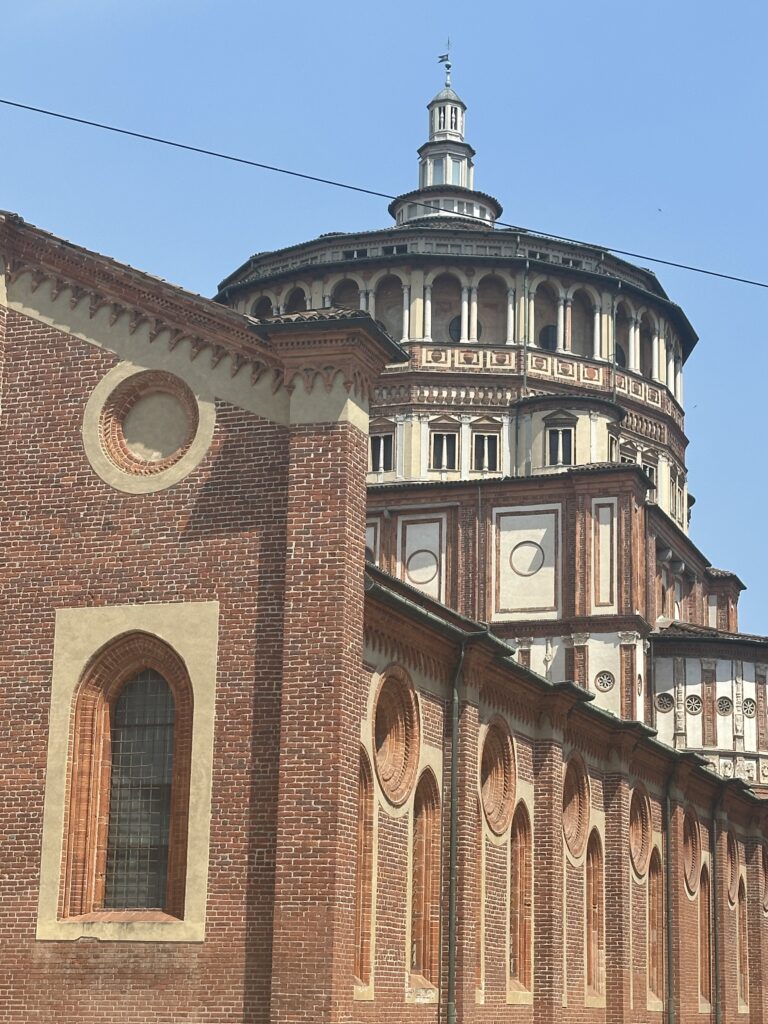
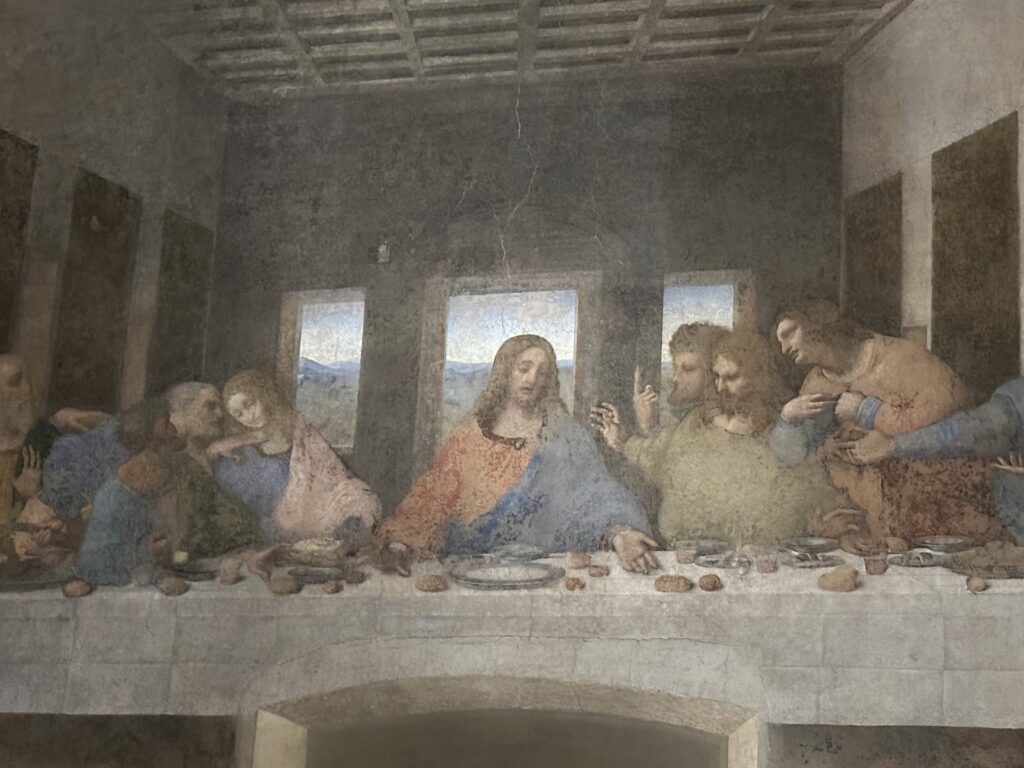
    We started with The Last Supper and if you want to do the same, plan ahead. Tickets are released two months in advance, and again about two weeks before the date. They go fast and the only way to visit is as part of a guided tour. That’s how we got ours, by jumping on a last-minute release, but even then, the time slots disappeared within minutes.

    A guide isn’t just required, it’s completely worth it. You only get 15 minutes in the room and they help make that time count: explaining how da Vinci experimented with oil on dry plaster rather than fresco, how that allowed for more detail, but also caused the painting to deteriorate quickly and how it’s been painstakingly restored over the centuries. It took him about four years to complete, with long pauses as he tested techniques or waited for inspiration or worked on other projects.

    It’s painted right onto the wall of a monks’ dining hall. Imagine eating your lunch every day under that scene. It’s big, dramatic and full of feeling, more like a frozen moment from a play than a traditional fresco. One thing that really stayed with me: during WWII, the building was bombed, but locals had protected the painting with sandbags and scaffolding. Most of the room was destroyed, but The Last Supper survived. Even if you’ve seen the image a hundred times, seeing it in person is something else entirely. The room is dim, quiet and climate-controlled. The painting feels both massive and intimate.

    From there, we walked to the Museo Nazionale della Scienza e della Tecnologia Leonardo da Vinci. It’s a vast, slightly chaotic museum, but the galleries devoted to da Vinci are incredible, full of wooden models built from his drawings: flying machines, bridges, tools, war inventions. The range of his genius is staggering. Artist, engineer, anatomist, visionary. We wondered what he would have been like in person. Intimidating? Charismatic? Probably both.

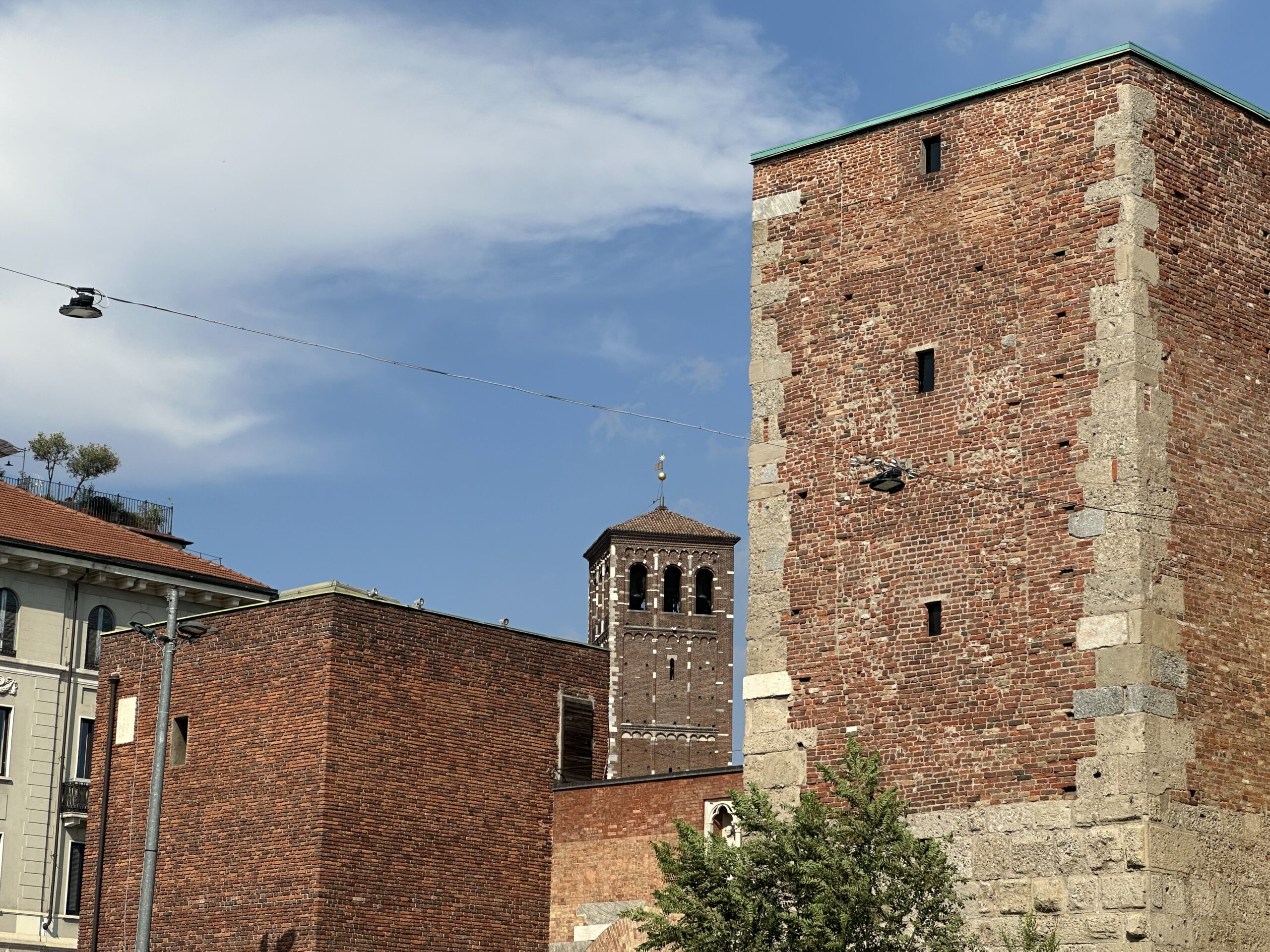
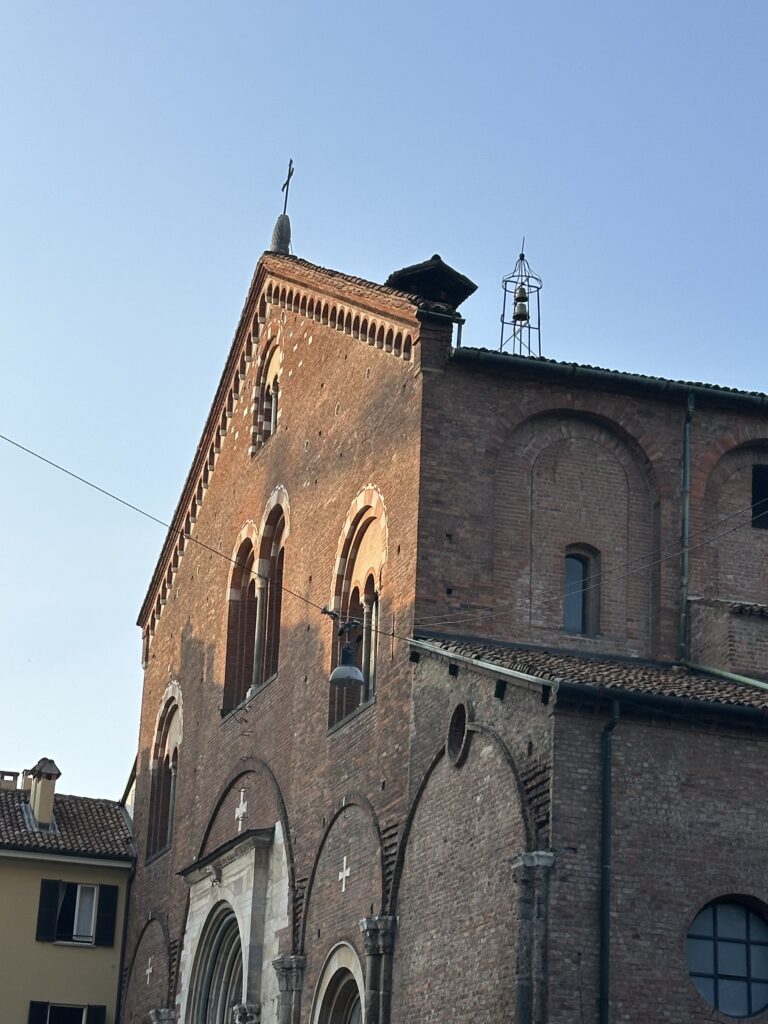
    A short walk away is the Basilica di Sant’Ambrogio, one of Milan’s oldest churches. It’s quieter than the Duomo, striped brick, pale stone, ancient mosaics and a peaceful cloister.

    In the evening, you could head to Navigli, Milan’s canal district, for aperitivo and dinner. It’s a quick tram ride or half-hour walk from the Sant’Ambrogio area. At golden hour, the canals glow. It’s a little gritty, a little touristy, but has real energy. Grab a drink a bar with a view, then find a side street spot for a relaxed dinner.


    Day 2: Spires, Castles & Wine in Brera


    We started the morning slowly with coffee and breakfast at Cascina Cuccagna, a peaceful café with a leafy garden just outside the centre. They grow many of their own ingredients, and it’s the kind of place that makes you want to linger, quiet, calm, and full of charm.

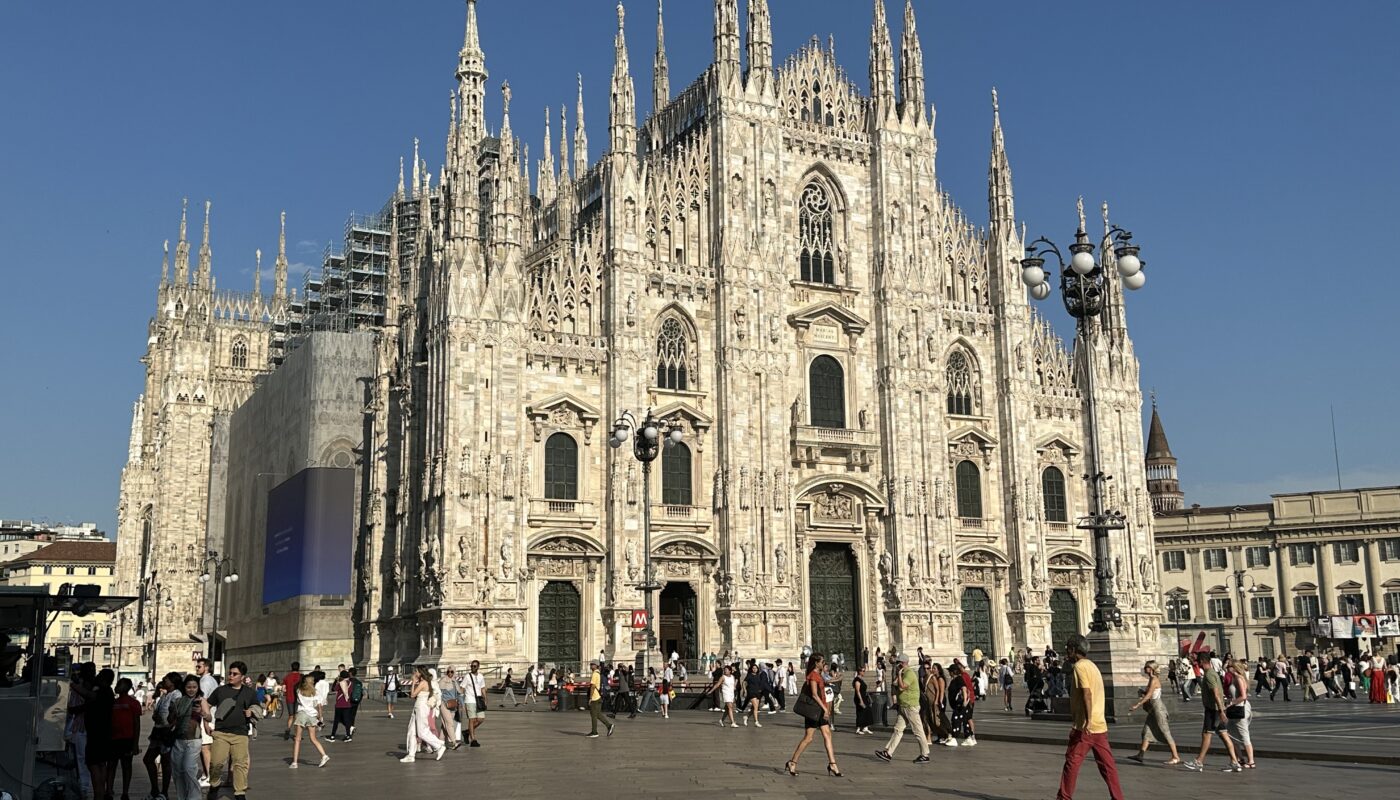
    Then we took the tram into the city centre and wandered through the grand Galleria Vittorio Emanuele II, a glowing arcade of glass ceilings, intricate mosaics, and luxury storefronts. It opens dramatically onto the Duomo, and stepping into the piazza to see the cathedral for the first time was unforgettable.

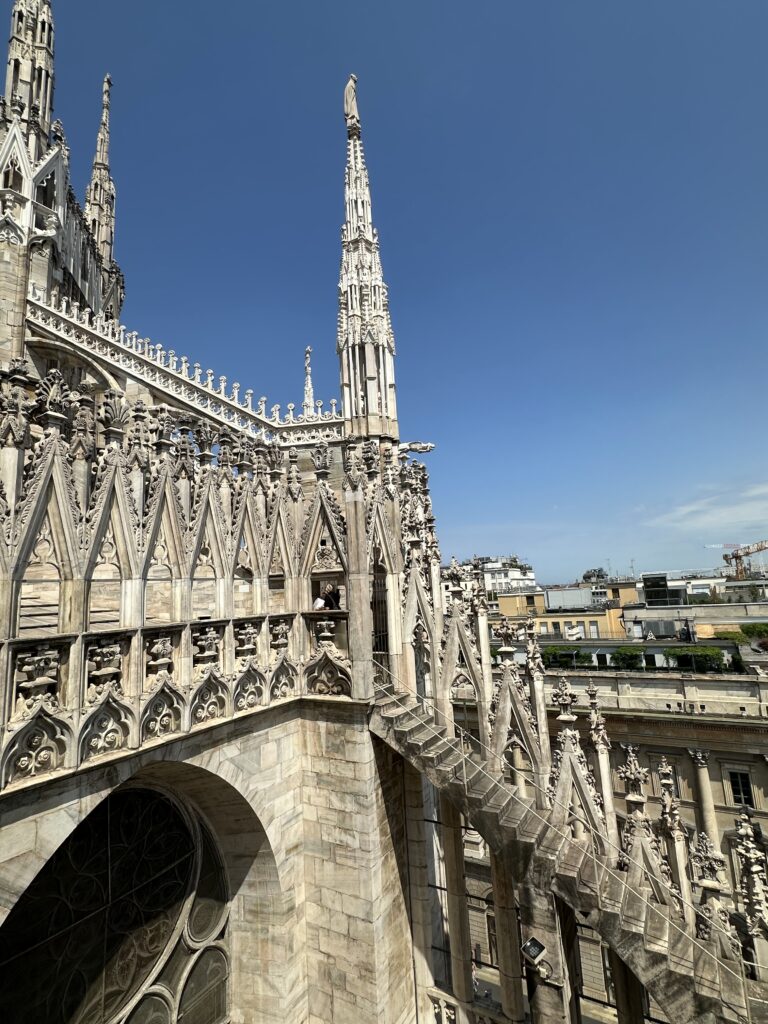
    We’d booked a guided tour of the Duomo and I’d recommend doing the same. It’s not much more expensive than a regular ticket and adds so much context to your visit. The cathedral took nearly 600 years to complete. Napoleon was crowned here, and, among several places he crowned himself (he clearly liked crownings), he made sure the façade was finished just in time. And that façade is something else: pale, soaring and almost glowing. Every time I saw it again I was stunned. I wonder if locals stop noticing it. Maybe. Probably.

    From there, we walked toward Castello Sforzesco, a grand red-brick fortress that feels imposing and somehow relaxed at the same time. You can walk through the courtyards or head behind it into Parco Sempione, Milan’s biggest park. Heading inside the castle itself requires tickets, which we skipped this time.

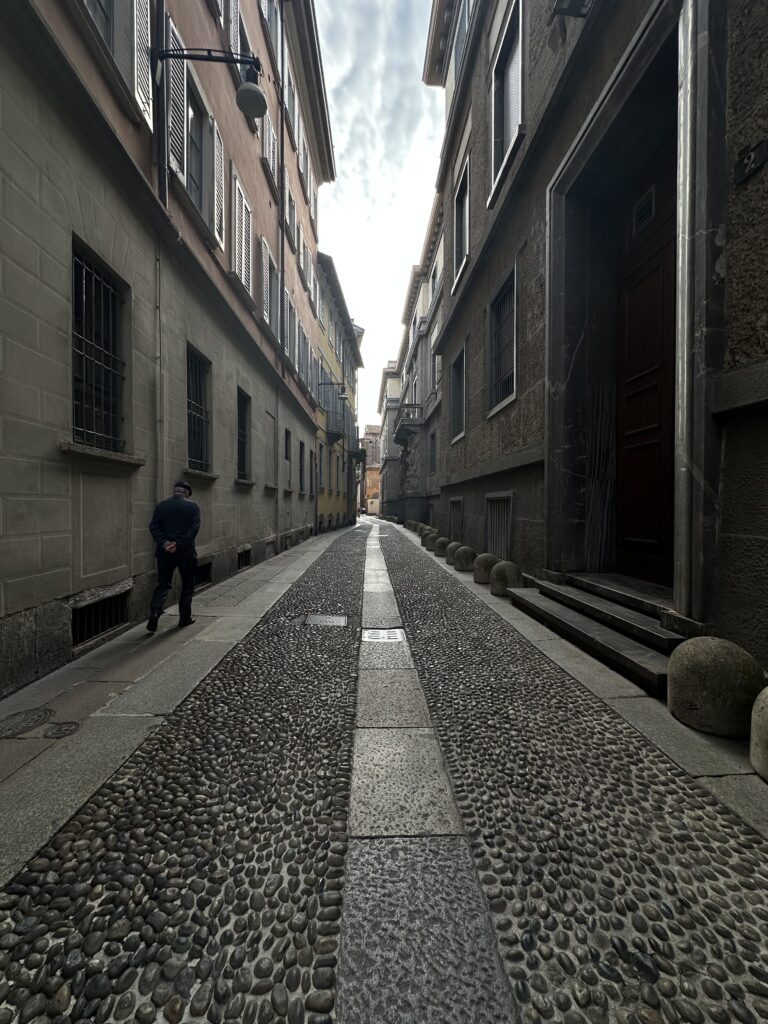
    Then we headed into Brera, one of Milan’s most atmospheric neighbourhoods, stone streets, antique shops, galleries, and a slower, more local pace. We had aperitivo at Citterio Garden, a beautiful outdoor wine bar in Brera, lush, relaxed, and perfect as the light shifted, before dinner at Associazione Salumi e Vini Naturali. Think shelves of wine, boards of cheese and cured meats, and a warm, easygoing vibe. It felt welcoming and exactly the kind of place I seek out.


    Day 3: Fashion, People-Watching & One Last Meal

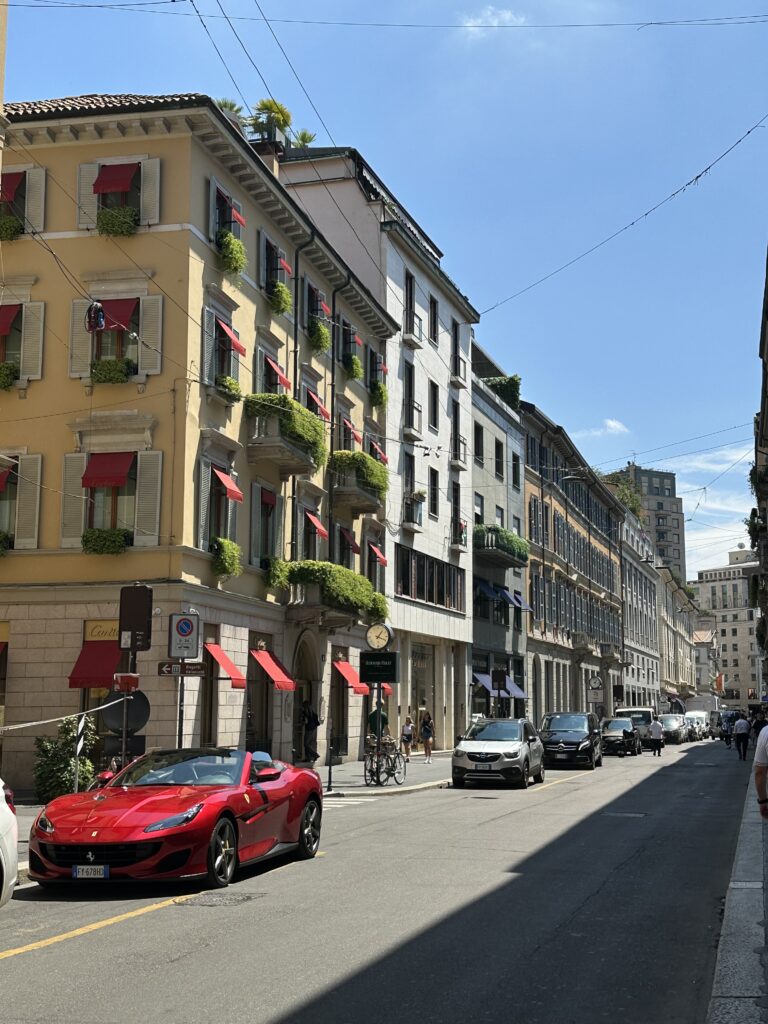
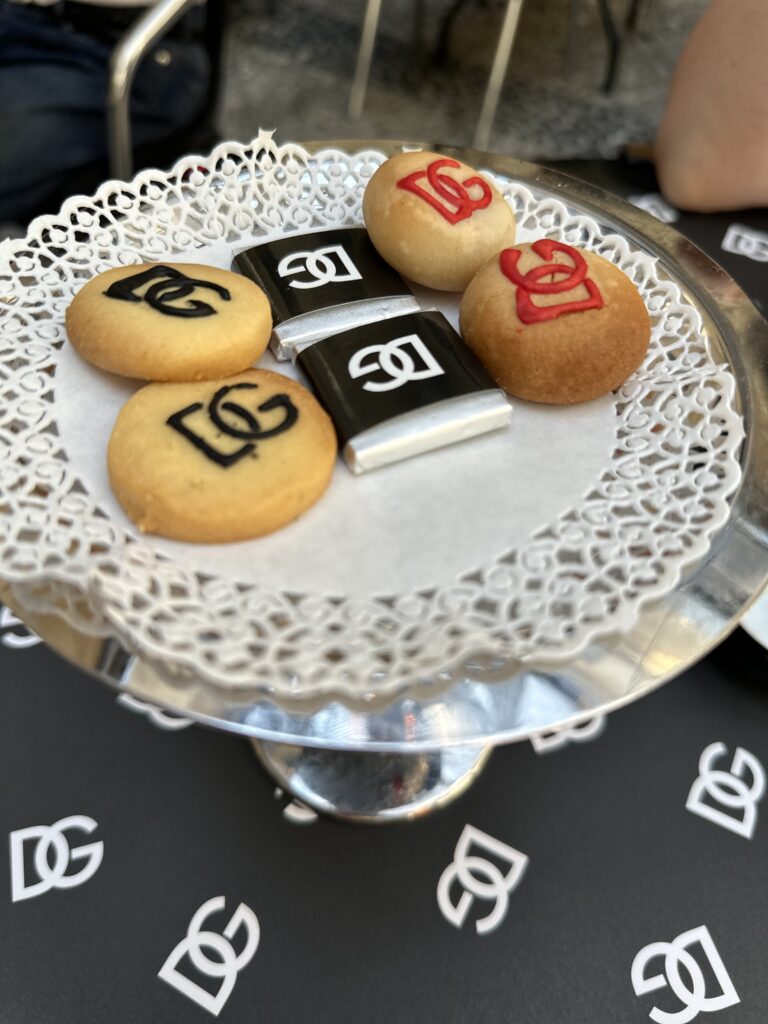
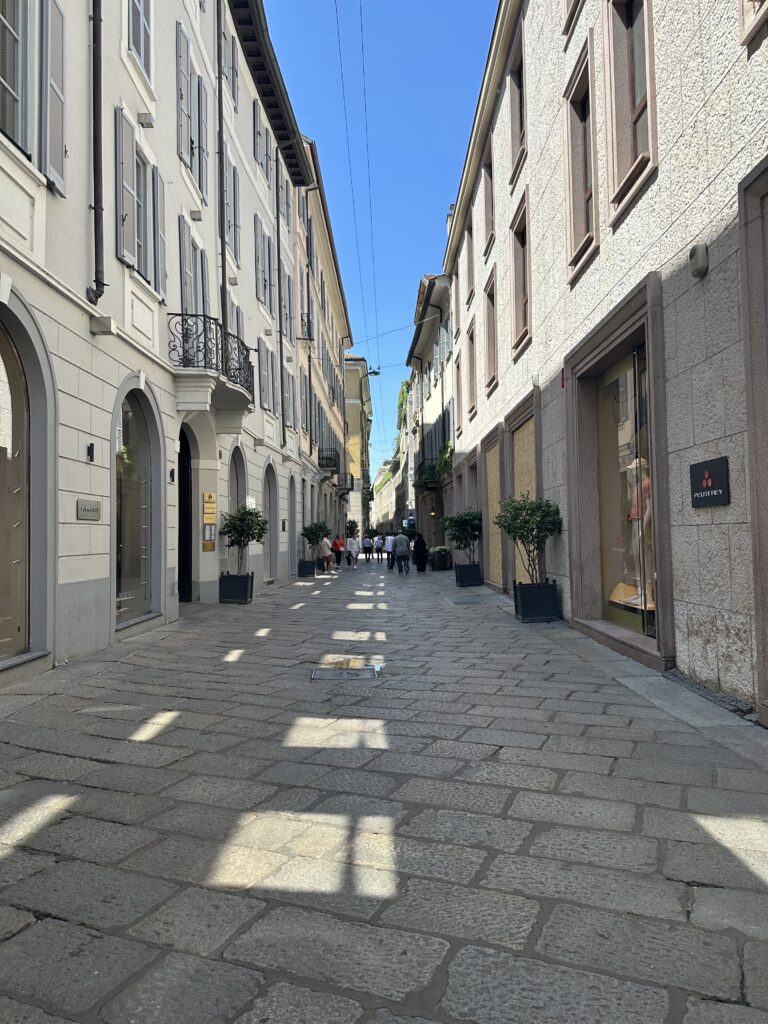
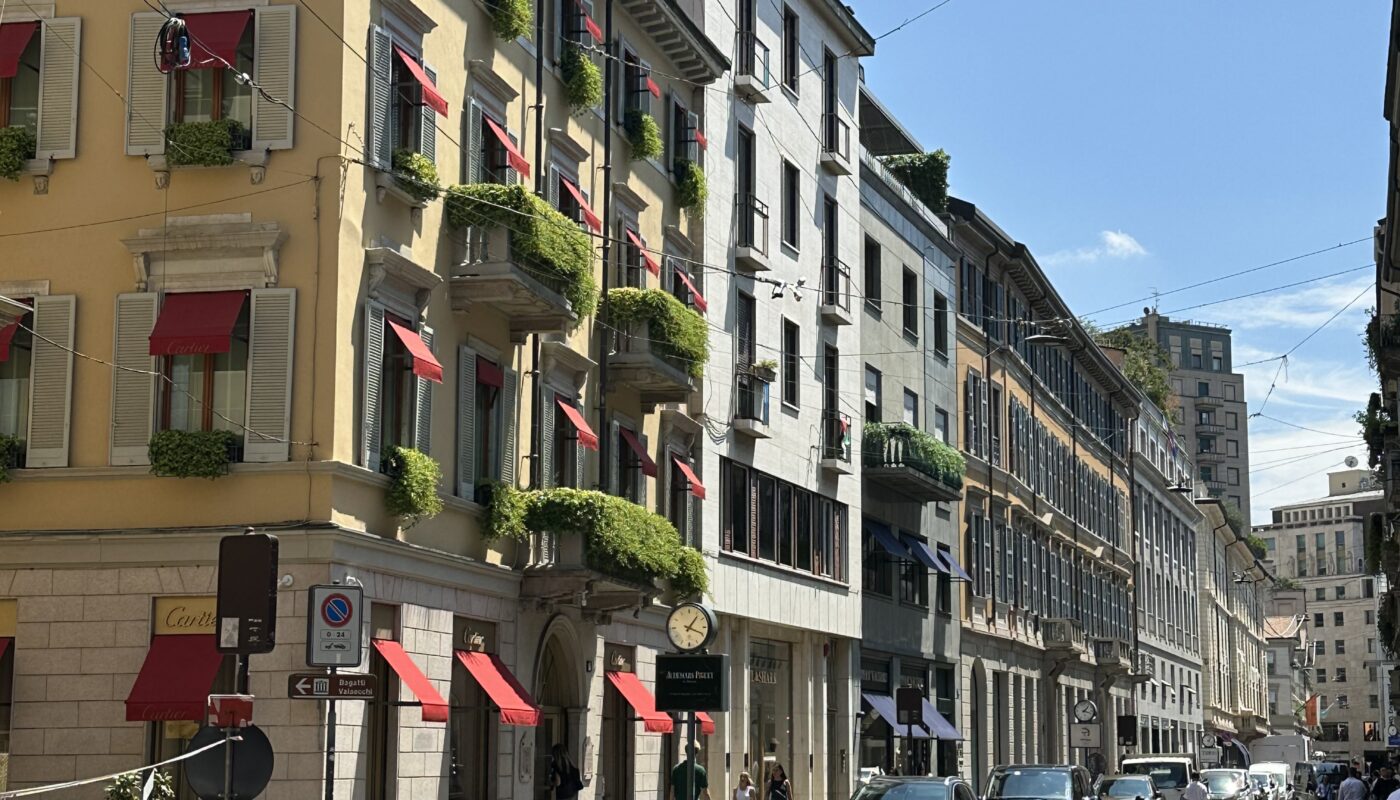
    We spent our last day wandering through the fashion district. Even if you’re not shopping, it’s worth walking through: beautiful window displays, elegant storefronts and some of the best-dressed people you’ll see. If you feel like pausing for a coffee or something stronger, you can stop at places like the Louis Vuitton café, Dolce & Gabbana Bar or Ralph Lauren restaurant.

    Before heading to the airport, we had a late lunch or early dinner at Mercato Centrale, near Milano Centrale station. I wasn’t expecting much, but it totally blew me away. It’s a beautifully designed space with open kitchens, food stalls, espresso bars, natural wine, fresh pasta, pastries, pizza… lively but not overwhelming. A perfect final meal before heading to the airport.


    Milan: Final Thoughts

    Three days in Milan felt like the right amount, enough to settle in, get a sense of its rhythm, and fall for its layered charm. What stood out wasn’t just the beauty of the Duomo or the genius of da Vinci, but the everyday moments: a perfectly made Negroni, a quiet street at golden hour, a pool tucked behind a theatre.

    Milan in Four Drinks

    (or: how to get to know a city one glass at a time) One of my favourite ways to settle …
  • Milan in Four Drinks

    Milan in Four Drinks

    (or: how to get to know a city one glass at a time)

    One of my favourite ways to settle into a place is to find a bar that feels right, sit down and order a drink. Milan, with its strong aperitivo scene, is perfect for this. And I really loved it.

    I’ve loved Negronis for years, so having one in Milan felt like a must. But it was also a chance to try some of the other ways Campari shows up here: bitter, vivid, distinctive, and at the heart of so many drinks that fit the city’s rhythm.

    Each of these four drinks was had in a different part of Milan. So this is a small guide not just to what to order, but where. The kind of bars I’m always looking for: well made drinks, thoughtful design, good lighting and a sense of care, but nothing too formal. Together, they offered a glimpse into four neighbourhoods, each with their own pace and personality.


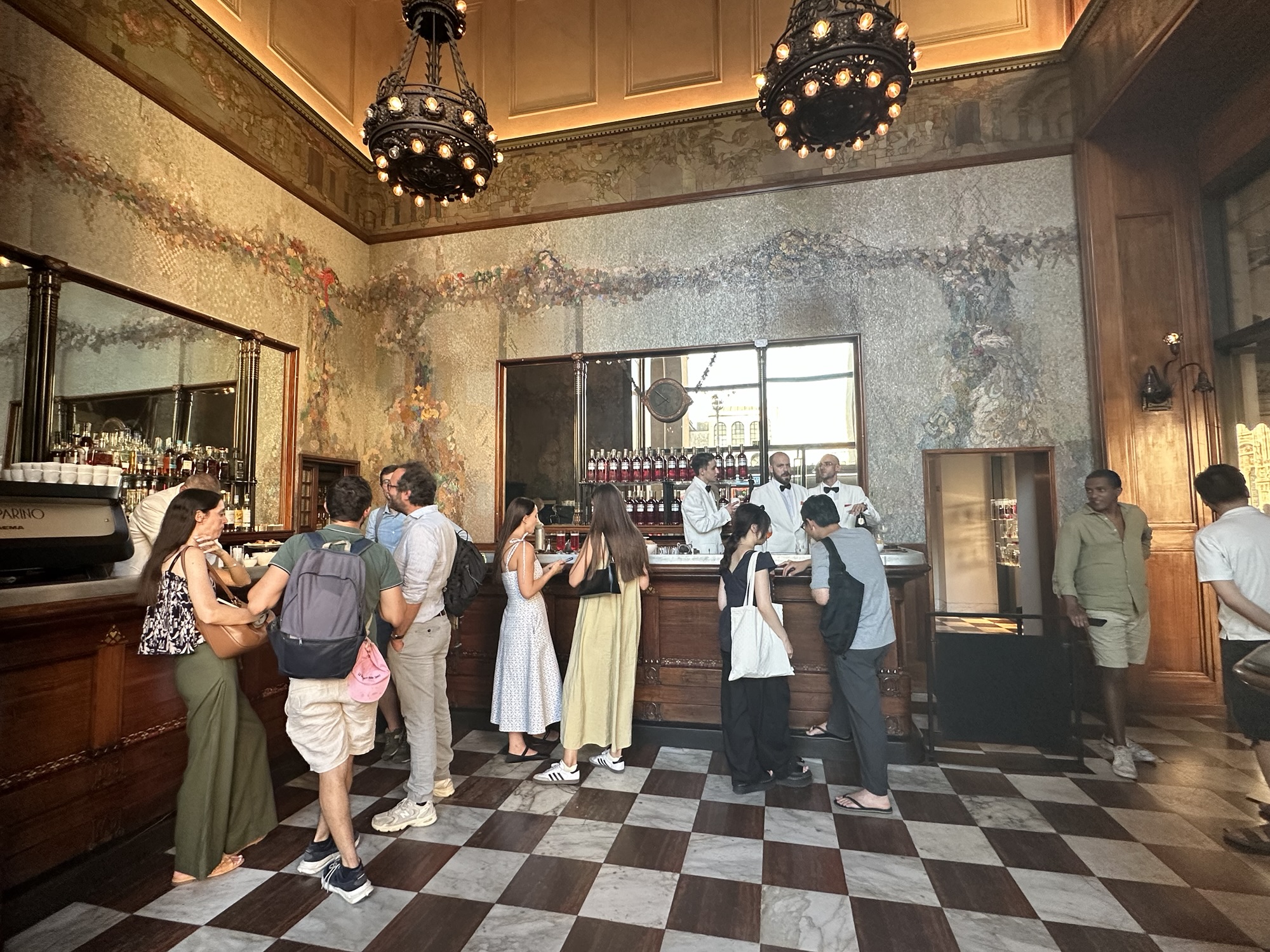
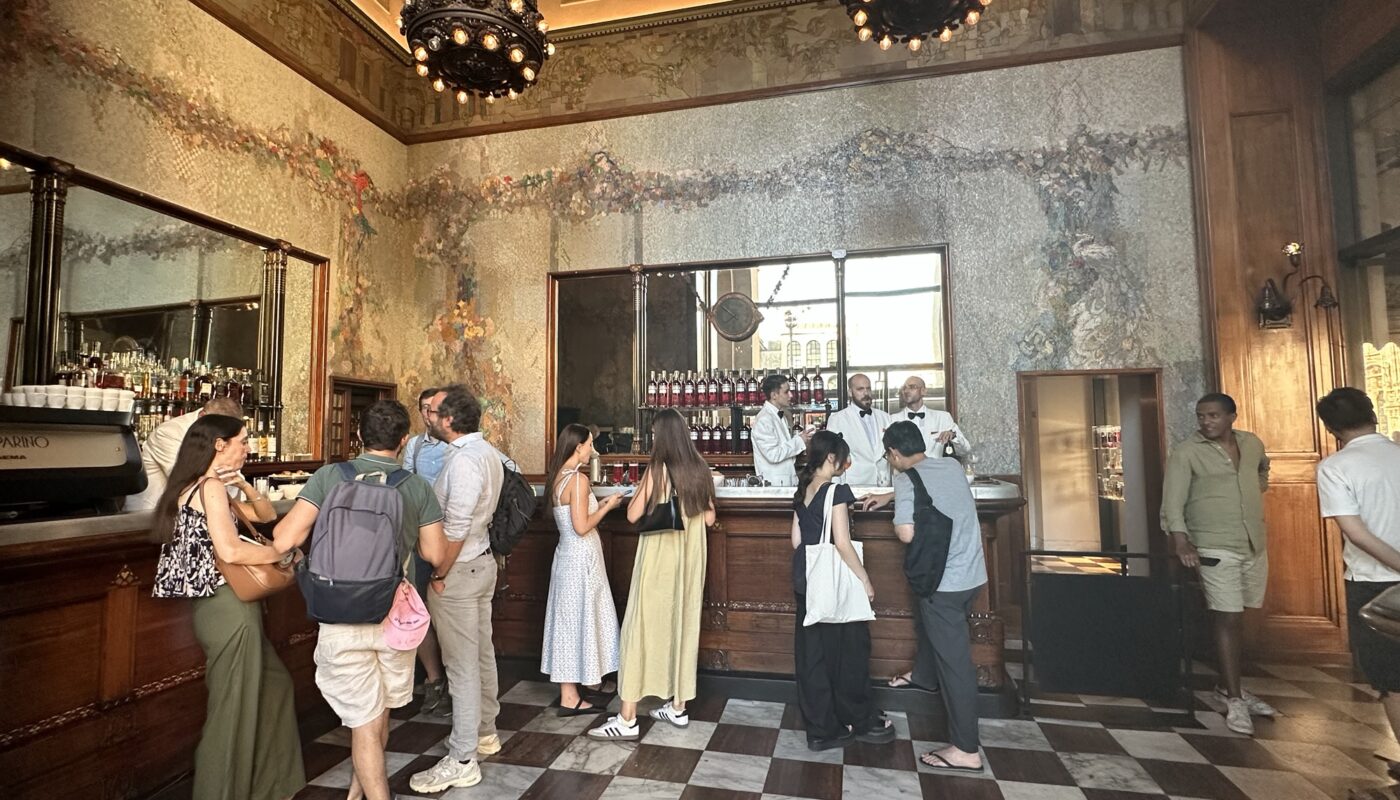
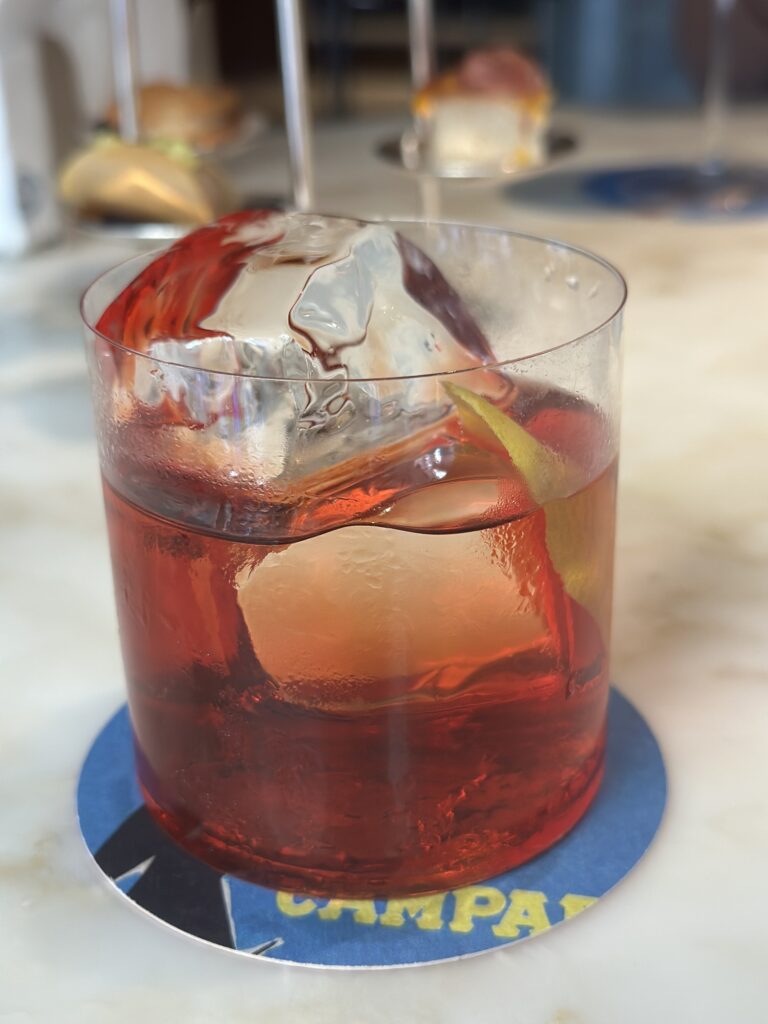
    1. A Negroni at Camparino

    📍 Piazza Duomo, inside the Galleria

    Camparino could easily feel over the top. It’s central, it’s iconic and it’s directly facing the Duomo. But somehow it gets the balance right. After a long, hot day, 36°C but feeling hotter, we stepped into the cool upstairs bar and instantly exhaled. Velvet seats, Duomo views through the arches, and just enough buzz to feel alive without being loud.

    I ordered a Negroni. Cold, bitter, perfectly balanced. It’s one of my favourite drinks, so having it here, in the city where Campari was born, felt like the right way to begin. Familiar, but still special in that setting. Exactly what I wanted at the end of a long, hot day. And a nice reset before dinner.


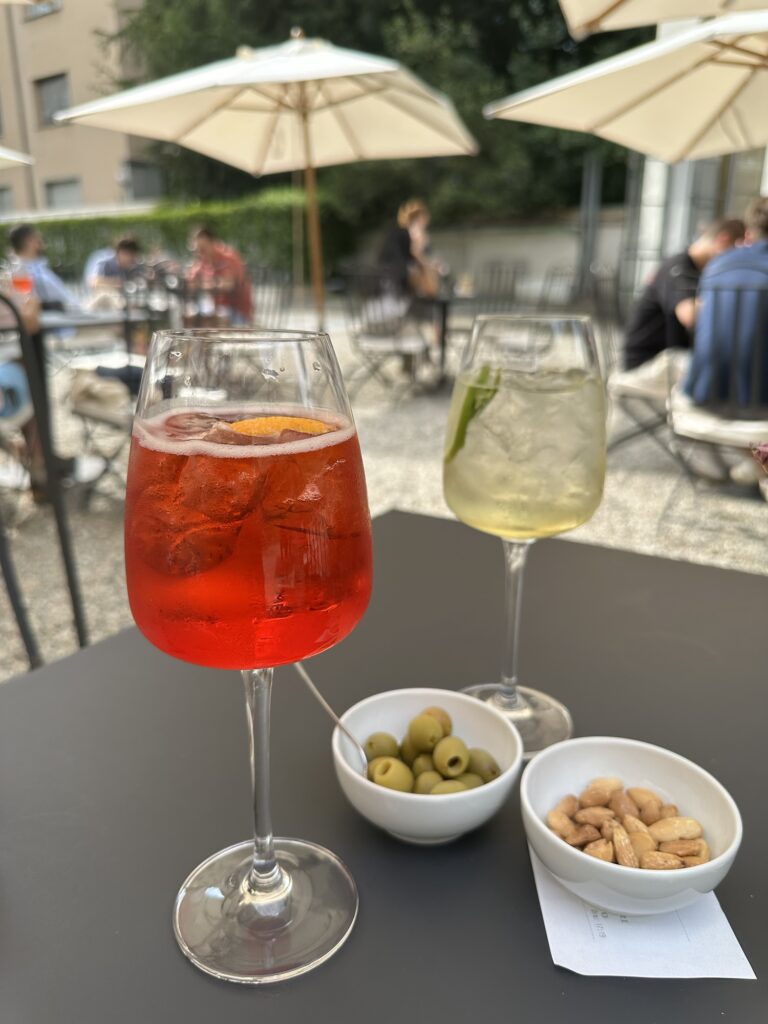
    2. A Campari Spritz at Citterio Garden

    📍 Just off Via Brera, inside the Palazzo di Brera courtyard

    This spot felt like a bit of a secret. Just behind the old market building on Via Brera, through a quiet courtyard and next to the botanical garden, it was calm and open in a way that’s rare in the centre. After the crowds, the walking and the heat, it was exactly the kind of pause we needed.

    I ordered a Campari Spritz. Bright, slightly bitter, and exactly right for the setting. More grown-up than the sweeter versions you find elsewhere, and better for it. Easy to sip, unhurried, and completely in tune with the place.


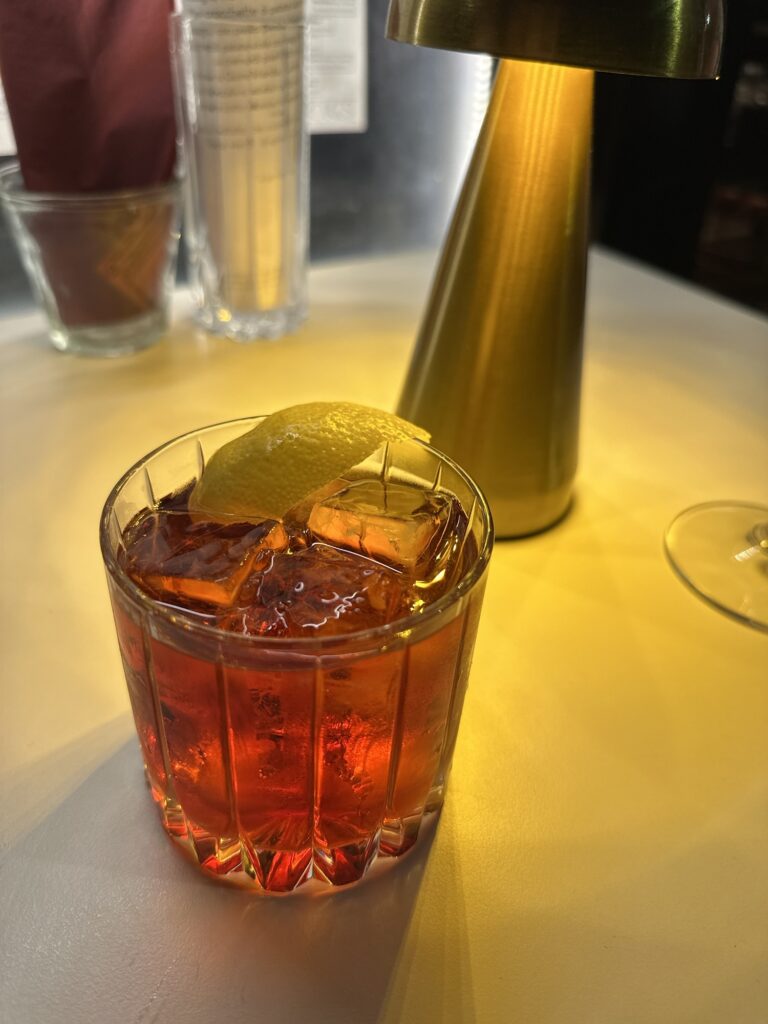
    3. A Milano-Torino at Les Rouges

    📍 Porta Romana

    Les Rouges sits on a quiet corner in Porta Romana. A few tables outside under the trees, soft light inside, and a space that felt both designed and easy. It had a certain coolness to it, but nothing off-putting, inviting and chill. The kind of bar you could stumble into or plan your evening around. Unpretentious, but still felt like somewhere special

    I ordered a Milano-Torino. Just Campari and sweet vermouth, finished with a twist of orange. One of Italy’s original aperitivo cocktails, and a quiet nod to two cities in one glass: Milan and Turin, bitter and smooth. Simple, familiar, but with just enough depth to feel like something you pause for.


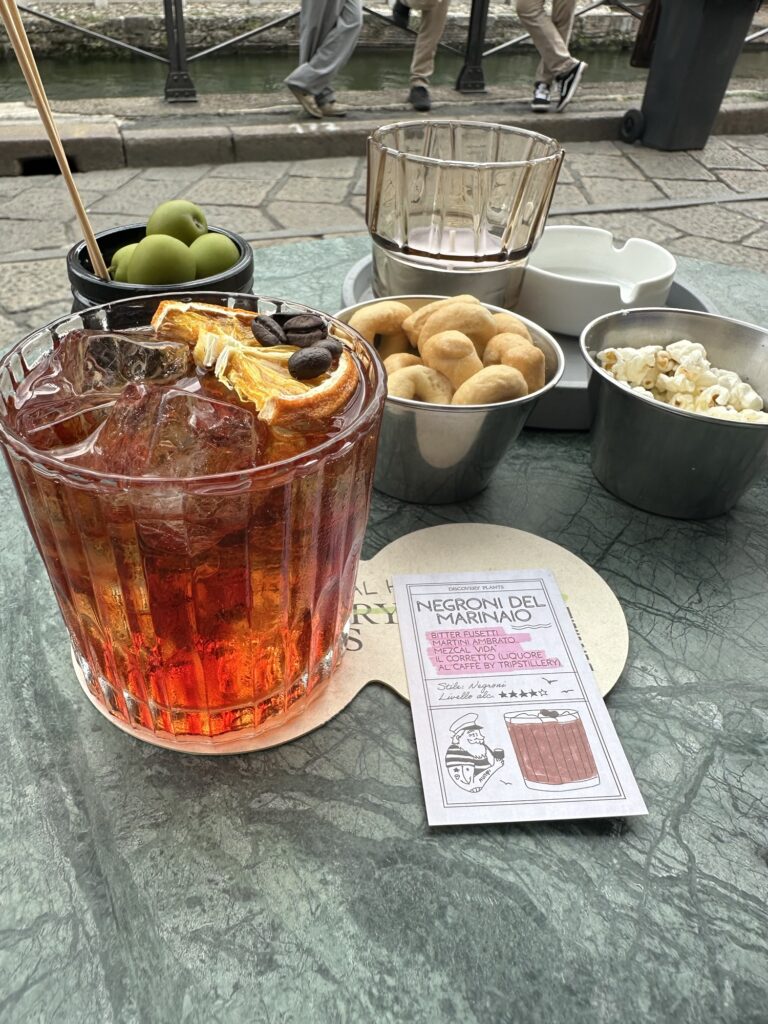
    4. A Negroni Marinaio at Mag Café

    📍 Navigli

    Yes, I couldn’t help myself. Another Negroni. But this one came with a twist. At Mag Café, right on the Naviglio Grande, I ordered their Negroni Marinaio: a smoky, bitter version made with mezcal instead of gin, with a touch of coffee liqueur. Bold, slightly unexpected and a fun version of a classic drink.

    Mag had a special menu running when we visited, part of their Discovery Plants series for spring and summer 2025, with cocktails inspired by botanicals. The space had that chaotic cool feel: slightly cluttered, a bit theatrical, but still cosy and welcoming. It felt lived-in and full of character. A little looser than the other places, but in the best way. It suited Navigli, and it was the right kind of drink to finish on.


    Other Drinks to Try in Milan

    • Negroni Sbagliato – A happy mistake with prosecco in place of gin. Lighter, sparkling and very Milan.
    • Caffè Shakerato – Cold espresso shaken with ice and poured into a chilled glass. Like a non-alcoholic espresso martini, smooth and frothy. Perfect as a pick-me up on a hot afternoon.
    • Americano – Campari, vermouth and soda. Easy, refreshing and part of Milan’s aperitivo DNA.
    • Franciacorta – Lombardy’s answer to Champagne. Crisp and dry with fine bubbles.
    • Fernet-Branca – A sharp, herbal local amaro. Often served after dinner or with soda water.

    Cin cin!